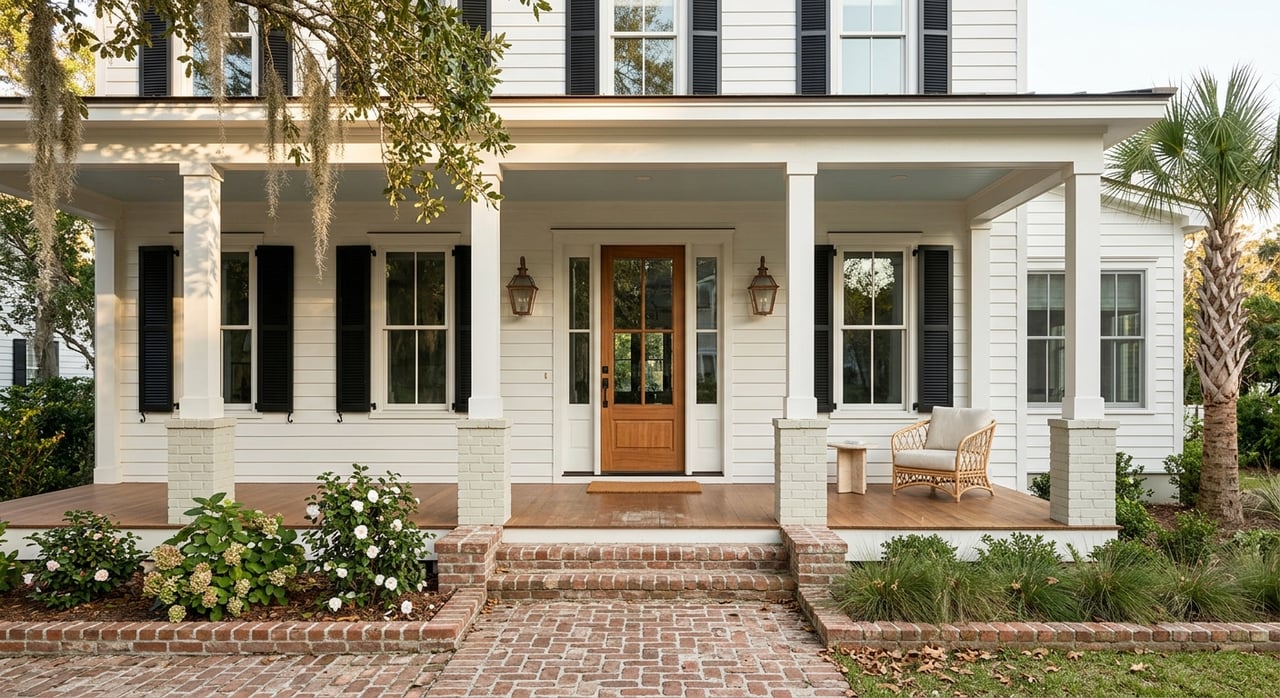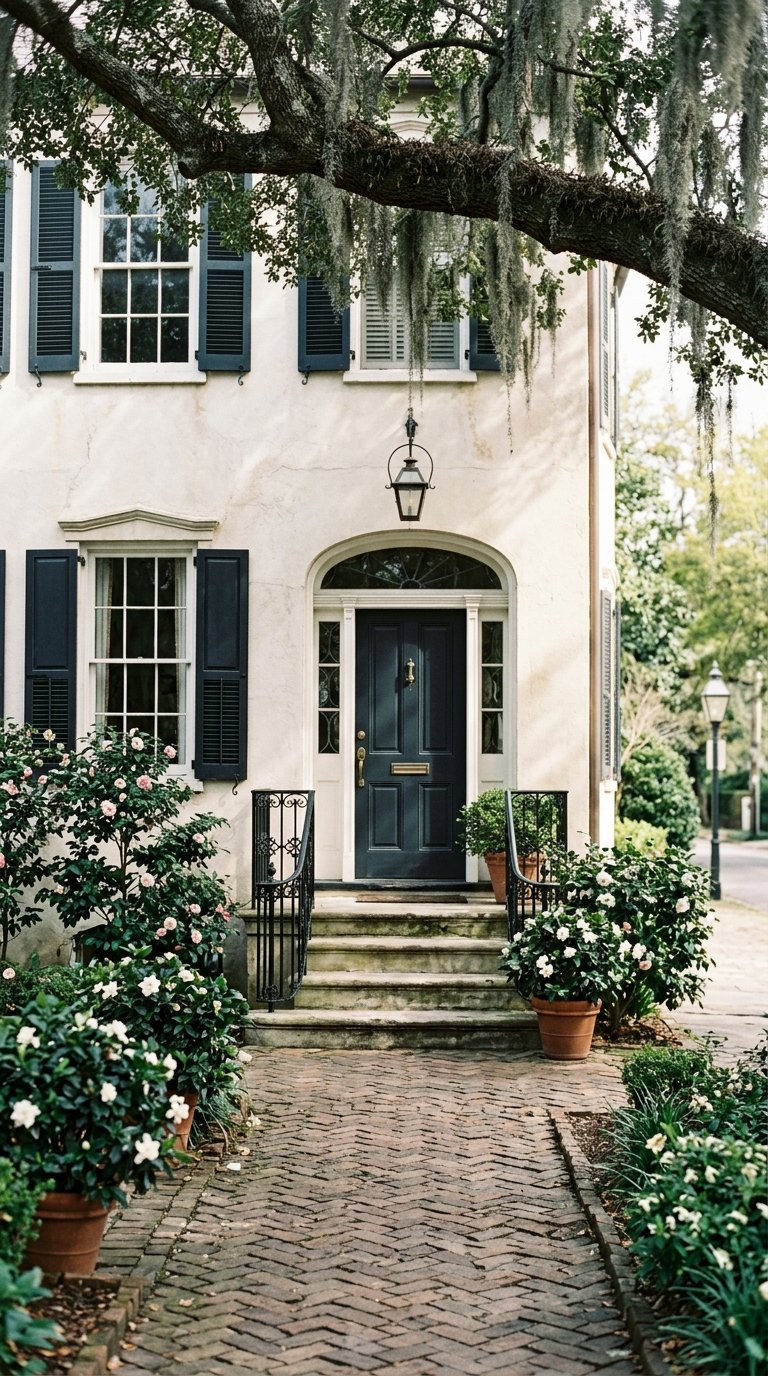
Thinking about moving to Savannah? You are not alone, and the decision can feel both exciting and a little complex. Between historic homes, island-adjacent neighborhoods, beach access, and different commute patterns, there is a lot to sort through before you choose where to land. This guide will help you understand Savannah housing, daily travel, and what coastal living really looks like so you can move forward with more clarity. Let’s dive in.
Savannah Housing Costs Vary Widely
Savannah offers a broad range of price points, which is one reason so many relocation buyers consider it. Recent market snapshots show a median sale price around $329,450 and about 99 days on market, while median listing prices have been reported closer to $385,000. That spread tells you something important: your price point and lifestyle goals will shape your experience more than citywide averages alone.
Savannah also has a strong rental presence. Census data show an owner-occupied rate of 45.4%, with a median gross rent of $1,302 and a median owner-occupied home value of $248,900. If you are relocating and not ready to buy right away, that makes renting a practical option while you learn the area.
For buyers, the key is not just asking what homes cost in Savannah. It is asking what homes cost in the part of Savannah that fits your routine, commute, and preferred setting.
Savannah Neighborhoods Offer Different Lifestyles
The city is not a one-size-fits-all market. Some areas lean historic and walkable, some feel more suburban, and some appeal to buyers who want quick access to water, marsh views, or island living. Understanding that range can save you time and help you focus your search.
Downtown Savannah Prices Run Higher
Downtown Savannah sits near the premium end of the local market. Recent figures show a median sale price around $952,500, while the South Historic District is around $1.65 million in median listing price. These areas are closely tied to Savannah’s historic fabric, with the city’s wards and squares tracing back to 1733.
If you are drawn to historic architecture, close-in living, and easier access to downtown amenities, this part of the market may be appealing. It also calls for careful property review, especially with older homes, where layout, updates, and long-term upkeep can matter as much as curb appeal.
Midtown, Southside, West Chatham, And Georgetown Sit Mid-Range
For many relocation buyers, the middle-price neighborhoods are where the search becomes more practical. Recent median listing prices are around $379,500 in Midtown, $449,000 in Southside, $355,000 in West Chatham, and $341,500 in Georgetown. These areas often attract buyers who want a balance between budget, space, and everyday convenience.
If your daily life will revolve around driving to work, running errands, and having a bit more separation from the downtown core, these parts of the market may be worth a closer look. They can offer a different rhythm than the historic center while still keeping you connected to the city.
Wilmington Island And Isle Of Hope Lean Coastal
If coastal atmosphere is a priority, water-oriented areas tend to price higher. Wilmington Island has a recent median sale price around $450,000, while Isle of Hope has a median listing price near $749,000. These locations appeal to buyers who want a more coastal or island-adjacent setting without giving up access to Savannah.
For many buyers, this is where lifestyle and budget start to intersect in a real way. You may be paying more for setting, water proximity, or a stronger coastal feel, so it helps to decide early which features are truly essential.
Use Local Tools To Compare Areas
When you are moving from out of town, online research can only take you so far. One useful local resource is Savannah’s Open Neighborhoods map, which lets you search by address and compare neighborhood organizations, district boundaries, and amenities such as parks, bikeways, grocery stores, libraries, CAT bus stops, and schools.
That kind of tool can help you move beyond broad labels and look at how a neighborhood may function for your actual day-to-day life. Instead of asking whether an area is “good,” ask more specific questions about access, layout, commute routes, and nearby services.
Savannah Commutes Are Manageable For Many Households
Commute times in the Savannah area are often reasonable by metro standards. Chatham County’s mean travel time to work is 23.0 minutes, and Savannah’s city average is 20.7 minutes. That can be encouraging if you are relocating from a larger or more congested market.
Still, your commute experience will depend a lot on where you live. A short drive from an in-town neighborhood may feel very different from a routine that involves island routes, beach traffic, or more suburban patterns.
Most Households Still Plan Around Cars
Savannah is not transit-free, but most households still organize daily life around driving. That is especially true once you move outside the more central neighborhoods. If you are considering an outlying area, it is smart to test likely drive times during the hours you would actually be on the road.
This is one of the biggest relocation adjustments for buyers coming from very walkable cities. You may find that two neighborhoods with similar home prices feel completely different once commuting, errands, and weekend routines are part of the equation.
Downtown Is Best For Car-Light Living
CAT serves Savannah, unincorporated Chatham County, and parts of Garden City. According to CAT, the network connects riders to jobs, schools, shops, restaurants, and healthcare facilities. The free downtown dot shuttle runs the Forsyth and Downtown loops every ten minutes, and the Savannah Belles Ferry is also free.
The city also notes that Savannah is well suited to bicycle travel because of warm weather and flat riding conditions. Put together, that makes downtown and nearby neighborhoods the most realistic choice if you want to rely less on a car.
Airport Access Adds Convenience
If you travel often for work or family, airport access can matter more than you expect. CAT operates Airport Express service to Savannah/Hilton Head International Airport, adding another transportation option for some residents.
Even if you mostly drive, it is worth considering how often you will head to the airport and from which side of town. Small details like that can shape how convenient a location feels after the move.
Coastal Living Takes Some Planning
Living near the coast is a major draw for many people relocating to Savannah. But coastal living is not only about beach days and marsh views. It also comes with practical realities like traffic patterns, parking, weather exposure, and flood due diligence.
The more clearly you understand those tradeoffs, the easier it is to choose a home that supports the lifestyle you want without surprises later.
Tybee Island Is Close, But Not Effortless
Tybee Island is about 18 miles east of Savannah and covers about 3.3 square miles, with nearly 3 miles of sandy beaches and public access points across the island. That makes it a very real part of the Savannah lifestyle for many residents.
At the same time, beach trips require some planning. Tybee has about 2,100 parking spaces, parking is enforced year-round, and busy weekends can bring traffic control. If frequent beach access is high on your list, it helps to think not just about mileage, but about when and how you want to go.
Outdoor Options Go Beyond The Beach
Coastal living around Savannah also includes parks, trails, and historic outdoor spaces. Fort Pulaski National Monument, about 15 miles east of Savannah, offers hiking, biking, birdwatching, and fishing. Skidaway Island State Park has miles of trails through maritime forest and salt marsh, and Wormsloe State Historic Site on Isle of Hope adds live-oak trails and tabby ruins.
For many relocation buyers, this wider range of outdoor access is part of the appeal. You are not just choosing a home. You are choosing how close you want to be to beaches, trails, marsh scenery, and open-air recreation.
Buying In Savannah Requires Coastal Due Diligence
A relocation move becomes much easier when you know what to expect before making an offer. In Georgia, existing-home purchases typically close in 30 to 90 days. Buyers should also expect prorated property taxes and utilities at closing.
Georgia also requires the real estate transfer tax to be paid before a deed can be recorded, and the seller is generally liable unless the contract assigns it differently. These are the kinds of state-specific details that are useful to understand early so your closing process feels smoother.
Homestead Timing Matters
If the home will be your primary residence, property tax planning matters too. According to the Georgia Department of Revenue, the property must be owned and occupied as your legal residence on January 1, and the standard homestead filing deadline is April 1.
Chatham County also publishes local homestead and assessment guidance. If you ever need to appeal a property-tax assessment, the filing window is 45 days from the notice date.
Flood Review Should Happen Early
In a coastal market, flood due diligence is essential. FEMA’s Flood Map Service Center is the official public source for flood-hazard maps, and Savannah says the city regulates construction in the floodplain. The city has adopted two feet of freeboard above base flood elevation for new or substantially improved structures in the 100-year floodplain.
Savannah also notes that flood insurance is required by most federally backed mortgages when a property is in a floodplain. For relocation buyers, that means three checks should happen before you make an offer:
- Confirm the flood zone
- Review elevation and floodplain details
- Get an insurance quote early
That early review can help you compare true ownership costs across properties, especially when two homes look similar on the surface but carry very different long-term expenses.
How To Choose The Right Fit
When you relocate to Savannah, the right home is about more than list price. It is about how housing cost, commute style, property type, and coastal access work together in your daily life. A historic downtown property, a mid-range neighborhood, and an island-adjacent home may each offer something valuable, but they will not live the same.
A smart relocation search starts with a few clear priorities:
- Your target monthly housing budget
- How much driving you want in a normal week
- Whether beach or water access is a top priority
- Whether you want historic character, suburban convenience, or a coastal setting
- Whether flood exposure and insurance cost affect your comfort level
If you are weighing several options, it helps to look past finishes and focus on function. Light, layout, storage, condition, upkeep, and travel patterns often tell you more about long-term fit than a quick first impression.
Savannah can offer a compelling mix of history, coastal access, and varied housing choices. With the right plan, you can narrow the search, avoid common relocation missteps, and choose a home that supports the way you actually want to live.
If you are planning a move and want practical guidance on neighborhood fit, property condition, and what to watch for in Savannah’s coastal market, schedule a free consultation with Lara Byrnside.
FAQs
What is the median home price in Savannah for relocation buyers?
- Recent reports show Savannah with a median sale price around $329,450, while median listing prices have been reported closer to $385,000, depending on the source and timing.
Which Savannah areas have higher home prices?
- Downtown Savannah, the South Historic District, Wilmington Island, and Isle of Hope are among the higher-priced areas mentioned in recent market snapshots.
What is the average commute time in Savannah, Georgia?
- Savannah’s mean travel time to work is 20.7 minutes, while Chatham County’s is 23.0 minutes.
Can you live in Savannah without driving everywhere?
- Car-light living is most realistic in downtown and close-in neighborhoods where CAT service, the free dot shuttle, the free ferry, and bike-friendly conditions are more practical.
How far is Tybee Island from Savannah?
- Tybee Island is about 18 miles east of Savannah, making it a popular beach option for residents who want coastal access.
What flood checks matter when buying a home in Savannah?
- Before making an offer, you should confirm the property’s flood zone, review elevation and floodplain details, and get a flood insurance quote early.