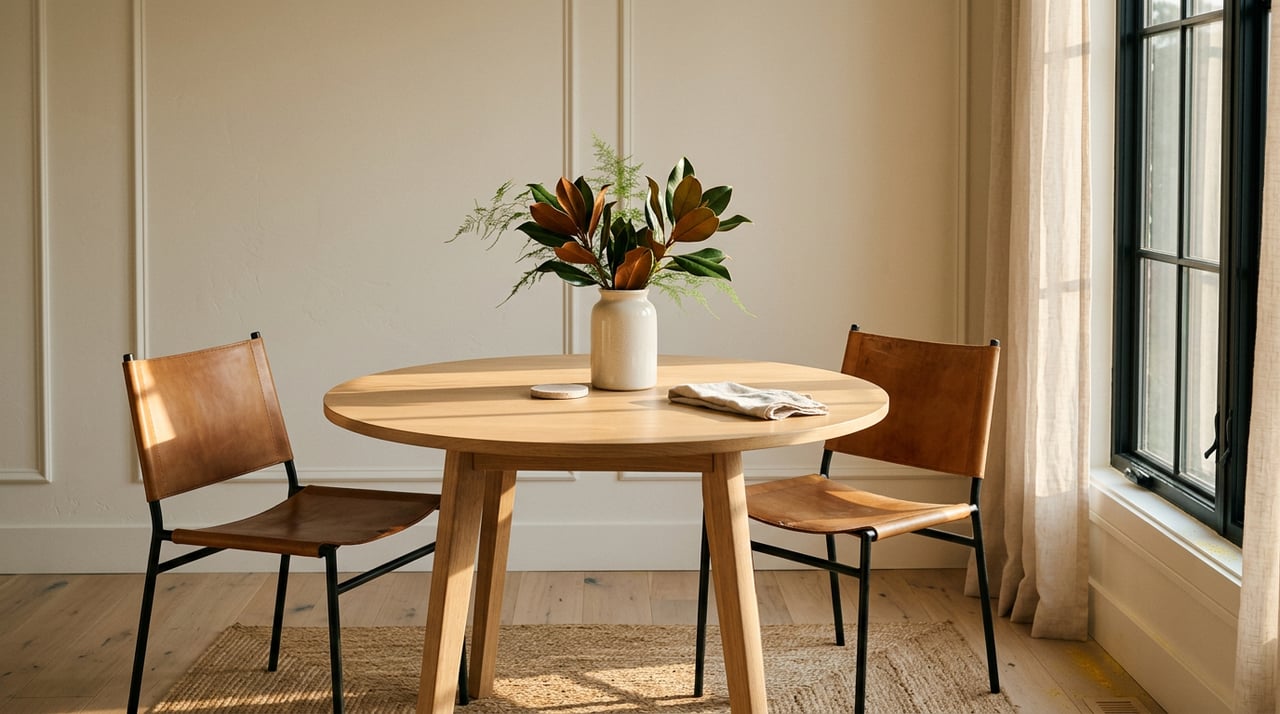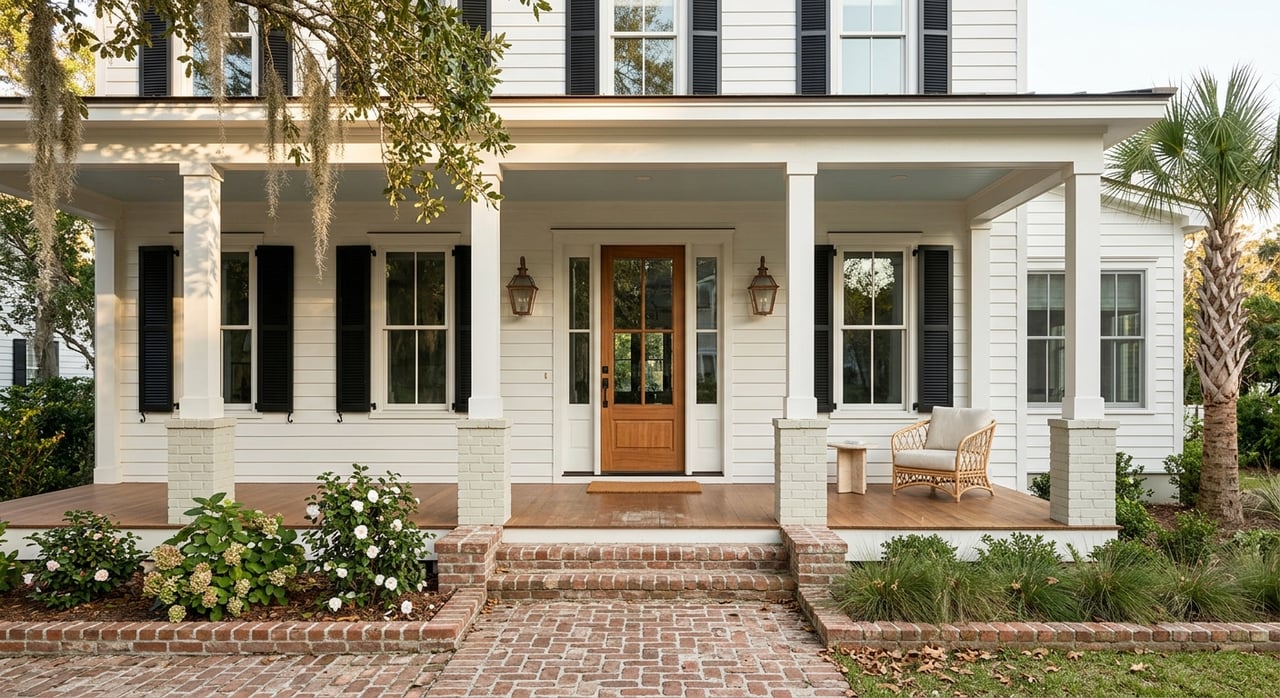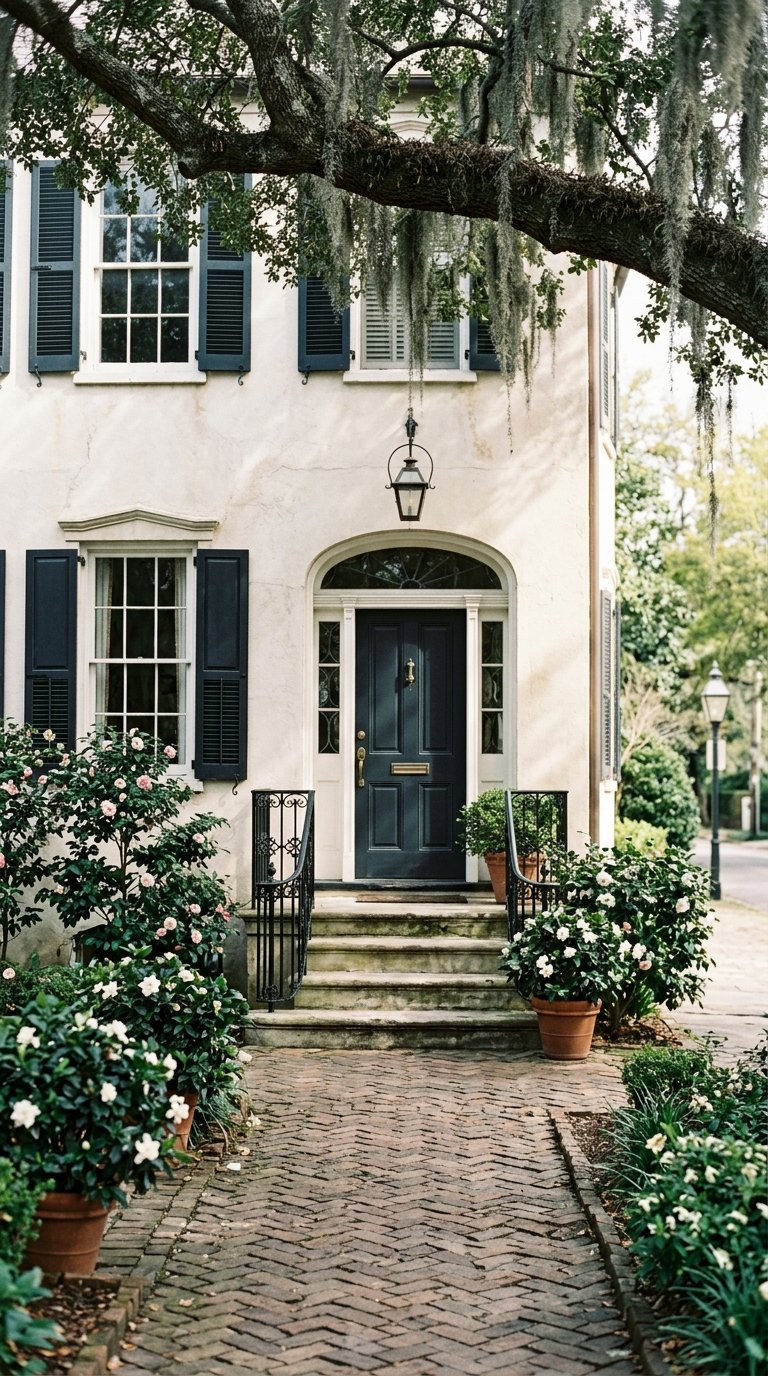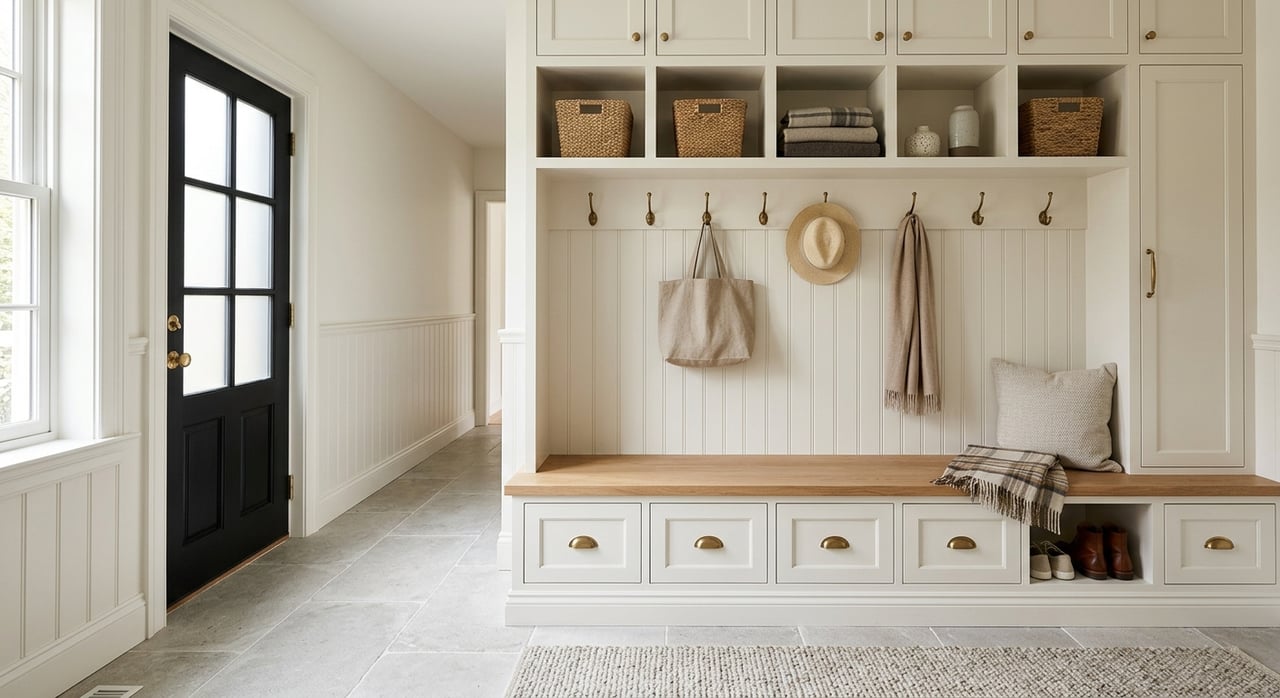
If you have ever wondered what buyers are really noticing during a Savannah home tour, the answer is usually more than paint colors and countertops. In today’s market, buyers often have enough time to compare homes, look closely, and think about how a property will function day to day. That means the details you may overlook can shape how your home feels the moment someone walks in. Here’s what today’s Savannah buyers are most likely to notice, and what that means if you plan to sell.
Savannah buyers have time to look closely
Savannah is not behaving like a market where buyers rush through a showing and make a decision on looks alone. Recent market snapshots describe the city as somewhat competitive to balanced, with median days on market ranging from about 35 to 82 days depending on the source and timeframe.
That pace gives buyers room to compare condition, layout, and upkeep. Instead of focusing only on a renovated kitchen or stylish lighting, many buyers are paying attention to how the home lives and whether it appears well maintained.
First impressions start with light and flow
Before buyers think about square footage, they often react to how a home feels. Natural light, clear sight lines, and an easy-to-understand layout can make a strong first impression within minutes.
Buyer preference research shows that many buyers are willing to compromise on size if the home functions well. That matters in Savannah, where a home that feels bright, open, and usable may stand out more than one with more space but a choppy or cluttered layout.
Function often matters more than size
Current buyer preferences point to practical spaces that support everyday living. Laundry rooms rate especially high, and many buyers also want storage that is easy to see and use, such as linen closets, walk-in pantries, and garage storage.
Open kitchen and family room arrangements also remain popular. During a tour, buyers often imagine how they would move through the space, where they would store things, and whether the layout feels simple and comfortable.
Buyers notice what the house feels like
Smell and light register quickly. Buyers may notice musty or damp odors early, and those smells can raise immediate questions about moisture and maintenance.
They also notice whether the home feels dark, closed off, or hard to read. A bright entry, uncluttered rooms, and visible function can help buyers focus on the home itself instead of distractions.
Savannah’s climate changes what buyers watch for
Savannah’s warm, humid, rainy climate affects how buyers evaluate a home. Local conditions make moisture control, ventilation, and exterior upkeep more important during a tour than they might be in a drier market.
Savannah’s climate normals show high average humidity and more than 48 inches of annual precipitation. In a place with that much moisture in the air, buyers tend to pay attention to signs that a home stays dry, cool, and well ventilated.
Moisture clues stand out fast
During showings, buyers often look for condensation issues, stained ceilings, warped trim, soft wood, and problem spots around windows and doors. Even small signs of moisture can make buyers wonder what they cannot see.
HVAC performance matters here too. Buyers may not know the full system details during a tour, but they do notice whether the home feels comfortable, whether vents seem to be working well, and whether the air feels damp or fresh.
Ventilation and upkeep matter more here
Guidance from UGA Extension connects mold problems with moisture problems and recommends keeping indoor humidity below 60 percent. It also highlights practical maintenance items like clean gutters, working exhaust fans, and regular HVAC filter changes.
That means buyers are often reading everyday upkeep as a signal of bigger home care. If a bathroom fan seems weak or gutters look neglected, buyers may assume other maintenance has also been deferred.
Pest and wood-damage signs get attention
Georgia is in the termite belt, and subterranean termites are common because they need moisture. In Savannah, that makes buyers more alert to wood damage and pest warning signs than they might be elsewhere.
Visible termite mud tubes, damaged wood, and damp crawlspace conditions can quickly affect how secure a buyer feels about a property. Even if the issue is manageable, the visual impression can be hard to overcome during a short showing.
What buyers may scan for outside and below
Buyers often look at the base of the home, porch areas, trim, and any exposed wood. They may also notice whether the yard appears to drain well or whether water seems to collect near the foundation.
In older homes especially, these details carry weight. A beautiful room update may not erase concern if buyers also see rot, peeling areas, or signs of long-term moisture exposure.
Drainage and flood questions are part of Savannah tours
Flooding is one of Savannah’s most persistent natural hazards, according to the City of Savannah. Low-lying areas can be especially vulnerable, and the city has recently taken steps to address aging stormwater infrastructure and drainage issues.
As a result, buyers are often thinking beyond the walls of the house. They may ask how the lot handles heavy rain, whether standing water collects, and what they should know about elevation or flood-zone status.
The yard matters too
A home tour does not stop at the front door. Buyers often notice whether downspouts direct water away from the house, whether the grading appears to move water off the lot, and whether soggy spots are visible after rain.
These are not small details in Savannah. Drainage concerns can influence comfort, maintenance expectations, and future ownership costs, so buyers may weigh them heavily.
Older Savannah homes invite closer scrutiny
Savannah has a notably older housing stock, with a significant concentration of homes built before 1940 and nearly half of units built before 1970. That age can add charm and character, but it also leads buyers to look more carefully at maintenance and long-term condition.
During tours of older homes, buyers are often asking themselves whether the property feels thoughtfully maintained or simply cosmetically updated. They want to know whether the beauty of the home is backed by solid care.
Buyers look past the finishes
Updated kitchens and baths may grab attention first, but buyers often keep looking. They may check for cracks around windows and doors, test switches and outlets, flush toilets, and ask about the age of major systems like the roof and HVAC.
That kind of behavior reflects a practical concern. Research cited by NAR shows that maintenance costs are a major source of buyer regret, so many buyers are trying to spot future expenses before they make an offer.
Historic district questions can come up
In Savannah’s local historic districts, many exterior changes and most renovations are subject to local review. Buyers touring homes in these areas may ask whether future exterior updates could require review and approval.
That does not mean buyers are turned off by historic homes. It simply means they are often weighing charm, condition, and future flexibility at the same time.
Common red flags buyers notice on tour day
Some issues stand out almost immediately and can shift the tone of a showing. In Savannah, the most noticeable red flags often relate to moisture, maintenance, and whether the home feels easy to care for.
Here are some of the details buyers are most likely to notice:
- Damp or musty smells
- Ceiling or window-area stains
- Soft, damaged, or rotting wood
- Visible termite activity or mud tubes
- Slow-draining fixtures
- Standing water near the foundation
- Cracks around windows or doors
- Older systems without clear maintenance history
- Weak airflow or a humid interior feel
- Cluttered storage areas that hide function
What sellers can do before listing
The good news is that buyers do not expect every Savannah home to feel brand new. What they do respond to is a home that feels cared for, functions well, and makes its strengths easy to see.
That is where smart preparation matters. A practical, design-aware approach can help buyers focus on the home’s value instead of the work they fear they may inherit.
Make the home easy to read
Start with the basics that shape first impressions. Brighten the house, reduce visual clutter, and create clear flow from room to room.
Storage should also read clearly. Organize closets, laundry areas, pantry space, and the garage so buyers can quickly understand how the home supports everyday life.
Address moisture and maintenance clues
Before showings, it is worth paying close attention to anything that suggests dampness or deferred care. Clean gutters, check window seals, make sure exhaust fans work, and resolve odors that could cause buyers to pause.
If you have service records for the HVAC, roof, or major repairs, keep them handy. Buyers may not ask for every detail during the tour, but visible signs of care and documentation can build confidence.
Be ready for Savannah-specific questions
If your home is in a flood-prone area, buyers may want information about drainage, elevation, or flood-zone status. If your property is in a local historic district, they may ask about exterior changes and what local review may apply.
Being prepared for those questions helps the home feel more understandable. Clear answers can reduce uncertainty, and uncertainty is often what slows buyer confidence.
In Savannah, buyers tend to notice the full picture: light, layout, comfort, upkeep, and how a home may perform over time in a humid coastal environment. When your home looks polished and feels well cared for, buyers can focus on its potential instead of its risks. That is often the difference between a showing that feels forgettable and one that feels convincing.
If you want practical guidance on how your home will read to today’s buyers, Lara Byrnside offers a thoughtful, step-by-step approach grounded in local market knowledge, construction insight, and presentation strategy.
FAQs
What do Savannah buyers notice first during a home tour?
- Buyers often notice natural light, layout, flow, and any immediate odor or moisture concerns within the first few minutes.
Why do moisture issues matter so much to Savannah homebuyers?
- Savannah’s humid, rainy climate makes buyers especially alert to signs of dampness, ventilation problems, mold risk, rot, and long-term maintenance concerns.
What condition issues do buyers check during Savannah showings?
- Buyers often look at the age and apparent condition of the roof and HVAC, test basic fixtures and switches, and watch for cracks, stains, drainage issues, and signs of termite damage.
Do buyers ask flood-related questions during Savannah home tours?
- Yes. Because flooding and drainage are important local concerns, buyers may ask about flood-zone status, elevation, stormwater flow, and how the property handles heavy rain.
What do buyers look for in older Savannah homes?
- Buyers often look beyond cosmetic updates to see whether the home appears well maintained, structurally cared for, and practical for long-term ownership.
How can Savannah sellers prepare for what buyers notice on tour day?
- Sellers can improve first impressions by brightening the home, decluttering, organizing storage, addressing odors and moisture clues, and making maintenance history easy to understand.