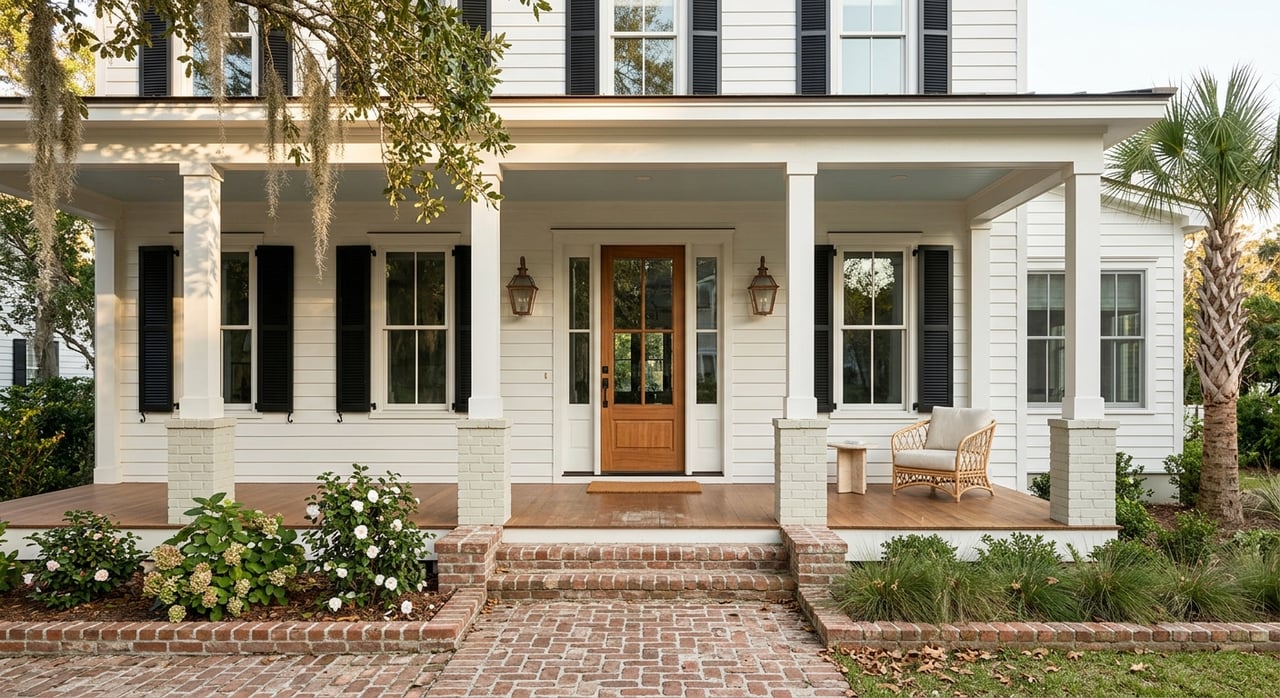
Buying in Southbridge can feel simple at first glance, then quickly get more layered once you look past the front porch and floor plan. If you are trying to figure out dues, club access, approval rules, and the real monthly cost, you are not overthinking it. This guide walks you through the Southbridge home buying process step by step so you can make a confident decision and avoid surprises after closing. Let’s dive in.
Understand Southbridge First
Southbridge was created in 1987 as a planned unit development in unincorporated Chatham County. According to the HOA handbook, the community had grown to more than 1,400 acres and 1,650 home sites by 2004, with homes in a range of sizes, ages, and price points. That variety is part of what makes Southbridge appealing to many buyers.
It also helps to know that Southbridge is not one single, uniform subdivision. The community includes multiple sub-communities such as Canterbury Park, Jayd Forest, Steeple Run, Villas on the Green, and The Woodlands. Southbridge at Berwick is identified as the newest part of the community, and it carries a separate Berwick Plantation POA fee that is not negotiable.
That means your first job as a buyer is to look at the exact address, not just the neighborhood name in the listing. Two homes in Southbridge can come with different ownership costs and different association layers.
Step 1: Verify the Exact Association Setup
Before you get serious about a home, confirm whether the property falls under the main Southbridge HOA only, a sub-HOA as well, or the Berwick Plantation POA structure. This matters because it can change your monthly carrying costs and the rules that apply to the home.
All Southbridge property owners automatically become members of the master SBHOA. In some sections, that is only one piece of the picture. If the home is in an area with an added association, ask for the current dues for every association tied to that address.
This is one of those details that can affect your comfort with a payment more than a cosmetic feature ever will. A smart buying decision starts with a full understanding of the layers attached to the property.
Step 2: Build the Real Monthly Budget
A mortgage payment is only part of the cost of owning a home in Southbridge. You also need to factor in HOA dues, possible section-specific dues, property taxes, insurance, utilities, and any optional memberships you may want.
The Southbridge HOA handbook says SBHOA dues cover common-area maintenance, HOA-owned recreational areas, many lagoons, extra-duty security patrols, reserve contributions, vendors, and general management. Those dues do not include utilities or access to privately owned amenities.
The handbook also says the board may raise annual dues by up to 10% each year without a membership vote. That does not mean dues will always increase by that amount, but it does mean future cost growth belongs in your budget planning.
For taxes, Georgia real property is taxed at 40% of fair market value. Chatham County owner-occupants may qualify for homestead exemptions, and the county says eligibility depends on owning and occupying the home as your permanent residence as of January 1. If a parcel is inside Savannah city limits, city taxes may also apply in addition to county and school taxes.
Step 3: Do Not Assume Amenities Are Included
Southbridge is known for its golf-oriented setting, but buyers should not assume that homeownership automatically comes with access to every neighborhood amenity. The HOA handbook states that several amenities are privately owned and operated.
Those privately owned amenities include the golf club, racquet club, Grand Lake Club, and women’s club. They have their own membership structures and rates. If club access matters to your lifestyle, verify the current membership options and costs separately before you write an offer.
This is especially important if you are relocating or buying from out of town. A community can have a certain feel and appearance without every feature being included in your ownership costs.
Step 4: Tour With the Rules in Mind
When you walk through homes in Southbridge, think beyond finishes and staging. Try to picture not only how the house works for you now, but also what changes you might want to make later.
Southbridge is a covenant-enforced community, and the posted covenants are detailed. Written ARC approval is required before work begins on fences, mailboxes, screening devices, swimming pools, tree clearing, grade changes, and most exterior changes, including color, stain, or paint changes.
That means if you are already imagining a new fence, a pool, fresh exterior paint, or landscape changes, you should look at the lot with those goals in mind. A home that seems close enough on day one may not be the right fit if your must-have improvement plan runs into approval issues later.
As you tour, pay attention to practical ownership details too. Southbridge is all-electric, with no natural gas lines, and propane is allowed only if tanks are screened from view. For single-family homes, new or replacement mailboxes must follow a specific black metal mailbox stand design.
Step 5: Check the Lot and Exterior Carefully
In Southbridge, the lot can matter just as much as the house itself. If a home backs up to a lagoon, drainage feature, or other landscape element, ask questions early about maintenance responsibilities and easements.
The covenants place specific maintenance duties on owners near drainage areas. That is not necessarily a dealbreaker, but it is something you want to understand before you commit. It can affect how you plan for upkeep and how you evaluate the property’s long-term fit.
This is also where a practical, construction-minded review can help. During showings and inspections, it pays to look at drainage patterns, grading, tree placement, and outdoor functionality, not just countertops and paint colors.
Step 6: Review HOA Documents Before You Finalize Terms
Before finalizing an offer, ask for the current HOA packet and review it closely. You want to confirm current dues, any section-specific dues, any known violations, any outstanding assessments, and any rules that could affect your plans for the property.
The handbook states that SBHOA dues are prorated between buyer and seller at closing. That should be reflected in your settlement figures. If the property is in Southbridge at Berwick or another section with additional dues, make sure those costs are clearly accounted for as well.
This step protects you from buying into unknown expenses or inherited problems. It also helps you enter the transaction with a clearer view of what ownership will actually look like.
Step 7: Ask the Right Southbridge Questions
Before you move forward, make sure you can answer a few Southbridge-specific questions with confidence:
- Which association or associations apply to this exact address?
- Are there any separate monthly dues beyond the master SBHOA?
- Are golf or club memberships optional and separate from ownership?
- Are there existing violations or unpaid assessments tied to the property?
- Do parking, pet, or mailbox rules affect how you plan to use the home?
- Does the lot involve a lagoon, drainage ditch, or other feature that changes owner maintenance responsibilities?
- Are you planning exterior changes that would need ARC approval later?
A clear answer to each of these can help you avoid the most common surprises buyers face in planned communities.
Step 8: Confirm the Current School Assignment
If school assignment is important to your move, verify it using the exact property address before you buy. SCCPSS says attendance zones are set by the Board of Education and can change.
That is why it is best not to rely on old listing information or informal assumptions. Address-level confirmation is the most reliable way to understand the current assignment at the time you are making your decision.
Step 9: Prepare for a Georgia Closing
Georgia closings follow an attorney-led process. The Georgia Supreme Court has approved the rule that only a licensed Georgia attorney may prepare or facilitate execution of a deed of conveyance.
As closing approaches, review your papers carefully, bring identification, and be prepared with the funds requested for closing. Georgia consumer guidance also notes that buyers should expect prorations of taxes and utilities at closing.
The Georgia Department of Revenue says the real estate transfer tax must be paid before a deed can be recorded. The seller is generally liable unless the contract shifts that obligation, which is another reason your contract terms should be reviewed carefully during the process.
Step 10: File Post-Closing Tax Paperwork Quickly
After closing, do not let tax paperwork sit on the back burner. If you qualify as an owner-occupant, file for homestead exemption with the Chatham County Board of Assessors as soon as you are eligible.
The county says exemption applications are due by April 1 for the current tax year. The county also explains that the Stephens-Day exemption is the local base-year system that may provide meaningful tax protection for qualifying owner-occupants.
This is a simple post-closing step, but it can have a real impact on your long-term housing costs.
A Smarter Way To Buy In Southbridge
Southbridge offers variety, established surroundings, and a community structure that can work well for many buyers. But it is also a place where the details matter. The difference between a smooth purchase and an expensive surprise often comes down to how well you understand dues, approvals, private amenities, and lot-specific responsibilities before you make an offer.
That is why a step-by-step approach matters here. When you combine local market guidance with a careful eye for functionality, exterior constraints, and long-term potential, you can buy with much more confidence.
If you are considering a move to Southbridge, Lara Byrnside can help you evaluate homes with both market strategy and practical property insight so you can move forward with clarity.
FAQs
What HOA fees should you expect when buying a home in Southbridge?
- You should verify whether the home has only master SBHOA dues or also includes a sub-HOA or Berwick Plantation POA fee, since costs can vary by exact address.
Are golf and club amenities included with Southbridge homeownership?
- No. The Southbridge HOA handbook says the golf club, racquet club, Grand Lake Club, and women’s club are separately owned and operated with their own membership structures and rates.
What exterior changes need approval in Southbridge?
- Southbridge covenants require written ARC approval before work begins on items such as fences, mailboxes, screening devices, swimming pools, tree clearing, grade changes, and most exterior color or finish changes.
What should you verify about a Southbridge lot before buying?
- You should ask whether the property borders a lagoon, drainage ditch, or similar feature and confirm any owner maintenance duties or easements that may apply.
How does closing on a home in Southbridge work in Georgia?
- Georgia uses an attorney-led closing process, and a licensed Georgia attorney must prepare or facilitate execution of the deed of conveyance.
When should you file for homestead exemption in Chatham County after buying?
- Qualifying owner-occupants should file as soon as they are eligible, and the Chatham County Board of Assessors says applications are due by April 1 for the current tax year.